
Books
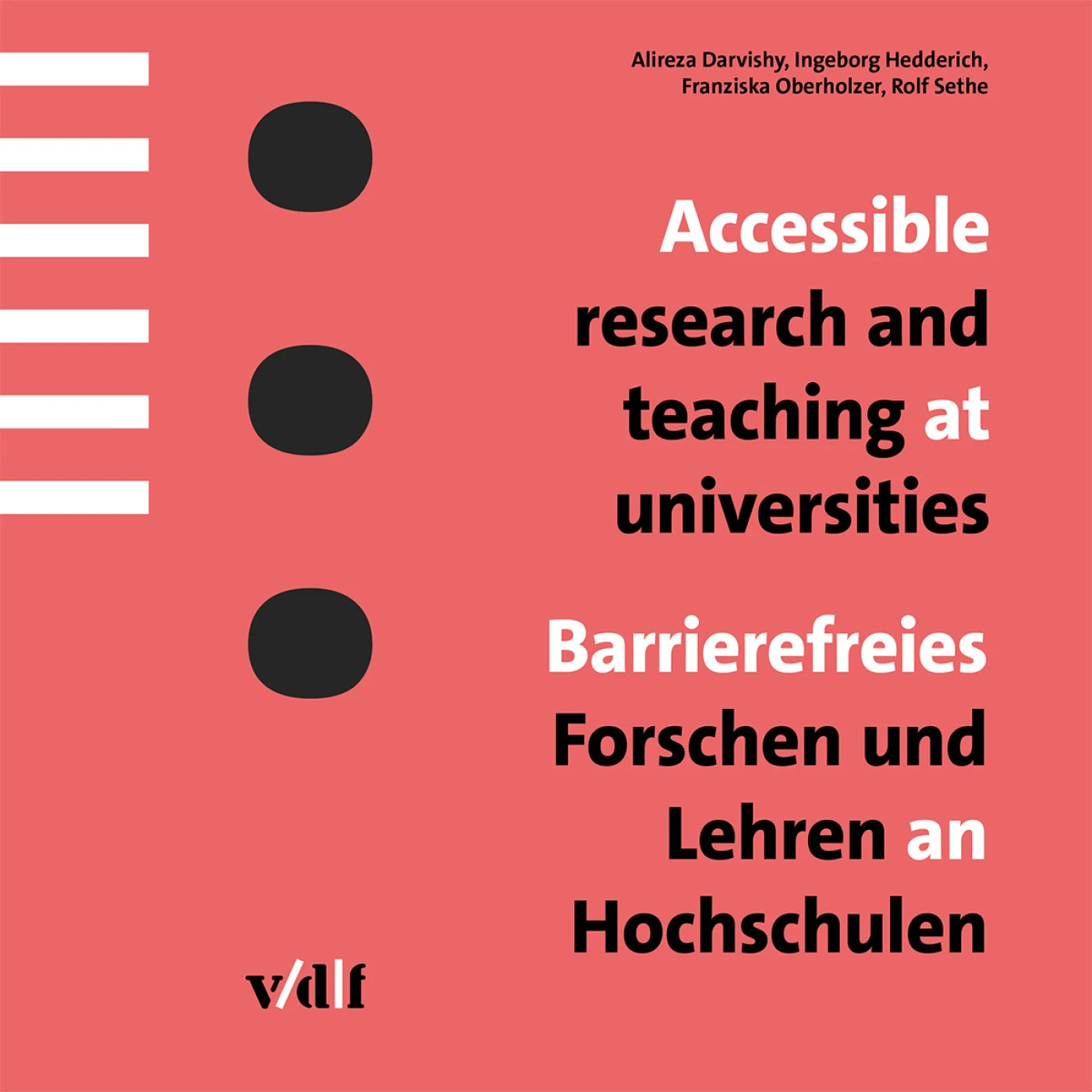
Accessible Research and Teaching at Universities
This book presents recommendations on how universities can be made more accessible for researchers and educators with disabilities or chronic illnesses. The target audience for these recommendations are university administrations and university staff who are responsible for structural measures, digital channels, lecture halls, diversity offices, etc.
The checklists can be used to identify potential barriers so that they can be specifically removed. Without such a general approach, those affected would have to find individual solutions for their needs. This unnecessarily causes stress and generates additional effort on their part. We want a university that considers the needs of all people.

Age-Appropriate Digital Channels
What should clients consider when developing an age-appropriate website or mobile application? This book explains how age-related limitations affect the use of websites and mobile applications. If gerontological aspects are not considered in the design of digital channels, older people tend to forgo the corresponding offering. Therefore, websites and mobile applications must take into account the needs of older people. In the book, you will find useful recommendations on how to do this so that your websites and mobile applications are easy for everyone to use.
- Enables optimization of online portals for seniors
- Recommendations for Accessible Application Design
- Design of websites and mobile applications in a single volume
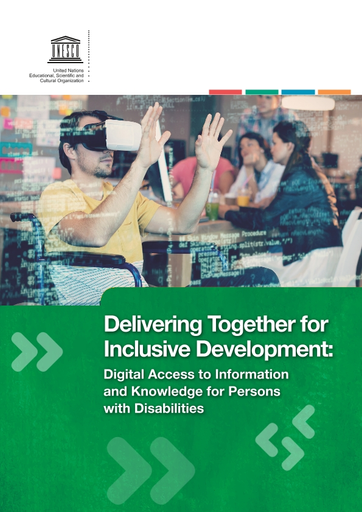
Delivering Together for Inclusive Development:
This report focuses on digital inclusion as it relates to four of the 17 Goals for the 2030 Sustainable Development Agenda:
SDG 9 – Industry, Innovation, and Infrastructure, SDG 16 – Peace, Justice, and Strong Institutions,
SDG 17 – Partnerships for the Goals,
SDG 4 – Quality Education.
For each goal, several major challenges and key recommendations are defined. Finally, general recommendations are given for improving global digital inclusion overall.